
UK gaming fans, greetings bigbasscrash.uk. Let’s discuss the Big Bass Crash Game. Of course, there’s the excitement of the haul and those explosive multipliers. But there’s also a lot to understand. Understanding the workings and the strategy can transform your game. It transforms a casual round into something more considered, and maybe more rewarding. This resource gathers resources designed for players in the UK. Perhaps you’re just getting started and taking your first steps for the first time. Or possibly you’re an old hand looking to hone your approach. Either way, this is your foundation. We’ll cover the basic guidelines, what risk means, and how to manage your bankroll. We’ll also look at tips from other players. The aim is to give you the insight to tackle this popular crash game with more confidence.
Understanding the Essential Mechanics of Big Bass Crash
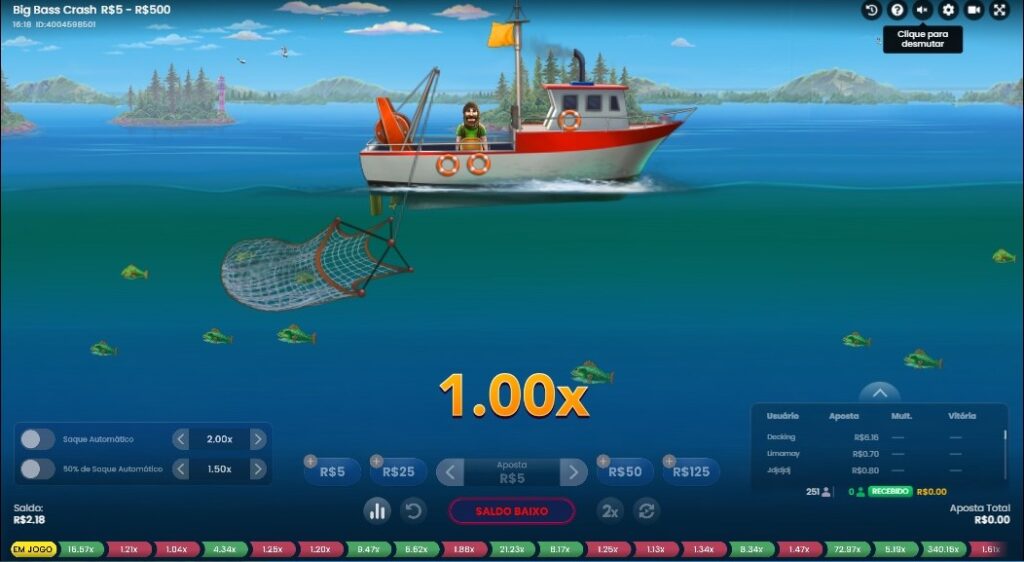
You must understand how the machine works before you consider strategy. Big Bass Crash is a ‘crash’ game at its core. You make a bet on a virtual fishing trip. The round starts, and a multiplier increases from 1x. On screen, your little boat heads out to sea. Your only job is to choose when to hit “cash out”. Do that, and you secure your bet multiplied by whatever number is on screen. Here’s the twist. The game can “crash” at any random moment. When it does, the round ends instantly. Any bets not cashed out are forfeited. That simple idea generates all the tension. A certified Random Number Generator (RNG) powers everything, making sure every crash point is random and fair. You are unable to predict the exact crash moment. That’s the first and most important lesson. No strategy ensures a win, but knowing how it works assists you make better choices.
The Function of RNG and Fair Play Certification
For a UK player, understanding the RNG and licensing is essential education. Trustworthy UK casinos that offer Big Bass Crash hold a licence from the UK Gambling Commission (UKGC). This licence requires strict standards for fairness. Independent testing agencies like eCOGRA or iTech Labs check the RNGs regularly. What does that mean for you? It means the point where the multiplier crashes in every single round is a genuine random event. There is no pattern to find. This certification is your proof of fair play. It shapes the whole learning process. You are not trying to beat a rigged system. You are learning how to interact with a transparent game of chance. Accepting this shifts your focus. Stop looking for a magic formula. Start thinking about how to manage your money and your decisions within a framework of random outcomes.
Tapping into Community Insights and Player Forums
Some of the finest informal learning originates from the UK online gambling community. Forums, discussion boards, and social media groups are packed with players discussing their Big Bass Crash stories. You ought to ignore anyone asserting a “guaranteed system”. But these communities are fantastic for picking up practical tips. You might learn about someone else’s cash-out strategy, or what they’ve seen about volatility on certain days, or which responsible gambling tools they use. Participating in these discussions lets you ask questions and learn from shared experience. Keep in mind to cross-check any advice with official sources and hold a healthy dose of scepticism. The real value of community resources is the pitchbook.com shared enthusiasm and the variety of playstyles on show. It can help you discover your own comfortable approach, as long as you stay within the bounds of safe and responsible play.
Utilising Official Game Documentation and Help
Don’t skip the official educational materials from the game developer, Pragmatic Play, and your chosen UK casino. Pragmatic Play’s website usually has a detailed game sheet for Big Bass Crash. It specifies the exact RTP, the rules, and covers all the features. Meanwhile, your UK casino’s support page is a treasure trove. Look for FAQs about the game, clear how-to-play guides, and most importantly, full information on responsible gambling tools. These tools—like deposit limits, time-outs, and self-exclusion—are educational resources as well. They show you how to stay in control. Learning to use these tools well is just as important as learning the game’s mechanics. They embody the official, responsible way to make sure your gameplay stays a safe and enjoyable hobby.
Examining Game Volatility and RTP
A couple of concepts are crucial for all casino game, including Big Bass Crash: Player Return (RTP) and volatility. The RTP is a mathematical percentage. It’s the amount of all wagered money the game will pay back to players over a vast number of rounds. For Big Bass Crash, this figure usually stands around 96-97%. Always consult the game info panel at your casino for the exact number. This percentage does not dictate what takes place in your session. It just indicates the game’s long-term mathematical setup. Fluctuation is more important for your personal experience. Big Bass Crash is a high-volatility game. Wins won’t come often, but when they happen, they can be large. Solid learning materials clarify this. You should be prepared for long stretches where you fail to collect, then a round where the multiplier skyrockets. Understanding this readies your mind for the game’s natural rhythm. It helps you avoid the trap of recovering losses during the calm periods.
Bankroll Control: The Essential to Long-Term Play
This is likely the most important lesson for any UK player. Bankroll management isn’t exclusive to Big Bass Crash, but the game’s high volatility renders it essential. The core idea is straightforward: only use money you can afford to lose for entertainment. From there, set a strict budget for your session and follow it. Many players use the “percentage rule”. Never bet more than a small, fixed percentage of your total session bankroll on a single round. A common range sits at 1-5%. This protects you from blowing your funds too fast during a run of early crashes. Also, set clear win and loss limits. Decide in advance on a profit target where you will cash out. Decide on a loss limit where you will leave. Writing these limits down and following them changes the game. It turns gameplay from a potential financial risk into a controlled, entertaining activity. When you treat your bankroll as a learning resource to be managed, not just spent, you turn into an informed player.
Sophisticated Analytical Tools and Tracking Software
For the committed learner, the next step entails analysis. Some players keep a simple handwritten log of their sessions. They document bet sizes, cash-out multipliers, crash points, and profit or loss. Looking over this log can show you patterns in your own behaviour, not the game’s outcomes. Be careful with third-party tracking or analysis software. Make sure any tool you look at is legal and follows UKGC rules and your casino’s terms. The main educational value here is cultivating a data-driven mindset. By tracking your play, you move from gut feeling to observed facts about your own habits. This analytical approach makes you review your performance against your bankroll management rules. It converts abstract ideas into measurable, accountable practices. It’s the distinction between feeling like you’re on a lucky streak and knowing your exact financial position.
Tactical Approaches to Cash-Out Timing
There’s no way to time the perfect cash-out because of the RNG. But one can develop a personal strategy for when you *choose* to cash out. That’s a key educational goal. There is no one “right” strategy. The knowledge comes from testing different approaches. Some players like a conservative method. They cash out reliably at low multipliers like 2x or 3x, aiming for frequent, smaller wins. Others go for a high-risk style. They wait for larger multipliers like 10x or 20x, accepting that many rounds will crash before they get there. A lot of guides suggest a balanced method. Set a mental target for each session, say 5x, but be ready to adapt based on a gut feeling or what you’ve seen that day. The crucial lesson is to pick your approach *before* you start playing. Try to stick to it. This stops you from making impulsive decisions fueled by adrenaline or the frustration of a loss.
The Mental Aspect of the Cash-Out Decision
The cash-out moment is a psychological test as much as a strategic one. Good learning materials discuss the emotional pitfalls. “Greed” is a common topic. It’s that impulse to wait “just one more second” as the number climbs, often leading to a crash and a loss. On the flip side, “fear” can make you cash out instantly at 1.1x, missing any real potential. A useful exercise is to review your own play. Did you stray from your planned strategy? What emotion was behind that? The auto-cash-out feature is a good tool here. It removes emotion and enforces discipline. By studying your own psychological triggers, you turn every session into a lesson. You build emotional resilience alongside your strategic skills. This self-awareness is a potent, and often ignored, educational resource.
Fundamental Starter Guides for UK Newcomers
New to Big Bass Crash? All those controls and numbers can feel daunting. Let’s start with the very basics. First, get familiar with the game lobby on your chosen UK casino site. You’ll set your bet size here. Start modest, maybe at the minimum. This lets you learn without much pressure. The main game screen shows your bet amount, a cash-out button, and the increasing multiplier. Your best learning tool at this stage is free-play or demo mode. Most UK casinos provide this. Use it without reservation. You get to feel the game’s rhythm, practice clicking cash-out, and see how often crashes happen at different levels. And you do it all without risking real money. This hands-on practice is the most effective beginner’s guide there is. It teaches you the tempo and interface better than any written guide ever could.
Navigating Bet Sizes and Game Interface
Let’s look in more detail at the interface. Learning about bet sizing is critical. The game usually lets you adjust your bet each round. A golden rule for UK beginners is to only ever bet money you can comfortably afford to lose. The interface might also have features like auto-cash-out. Here, you can set a multiplier in advance. When the multiplier hits that number, your bet cashes out automatically. Trying this in demo mode is a great way to learn. Also, look for the game history or a display of previous round multipliers. This won’t tell you what comes next, but it shows you the game’s volatility. Some days you’ll see lots of low crashes. Other times, the multiplier will shoot up high. Learning these settings in demo mode builds a solid foundation. You stop being someone who just clicks buttons. You become a player making deliberate choices.
Promotions and Rewards: A Educational Opportunity
Many UK casinos give rewards or free spins you can employ on Big Bass Crash. View these as a opportunity to learn. A bonus with wagering requirements https://en.wikipedia.org/wiki/Category:Casino_video_games allows you to play for longer with less direct risk to your own money. It’s a great setting to test a new cash-out strategy or practice your discipline with a bigger virtual bankroll. But the learning part is critical. You must completely understand the bonus terms and conditions. Understand wagering requirements, game weighting (slots often qualify 100%, but always check), maximum bet limits when using bonus funds, and any restricted games. Having these terms wrong is a common mistake. If you teach yourself on how bonuses work, you can leverage them properly. They become a safe, extra tool to enhance your learning and enjoyment of Big Bass Crash, without leading to financial trouble.
Responsible Gambling as the Foremost Educational Pillar
Lastly, and above all, the cornerstone of all instruction should be safe betting. In the UK, organisations like GamCare and BeGambleAware lead this initiative. Their sites are filled with invaluable resources. Educate yourself on the warning signs of gambling addiction. This covers recovering losses, spending more than you planned, or allowing gambling affect your emotions or connections. Employ the tools your casino offers. Define deposit limits before you gamble. Use reality checks and session timers. Learn how to take a timeout. Learning to play Big Bass Crash well isn’t just about seeking big wins. It’s about fitting enjoyment into a stable life. This ultimate piece of education makes sure your experience with the game stays constructive, regulated, and enjoyable. It maintains the pleasure that made you want to engage in the first place.
Our look at instructional resources for Big Bass Crash in the UK demonstrates something interesting. There’s genuine depth to this compelling crash game. Understanding the basic interface and RNG basics is just the beginning. Crafting your own cash-out tactics and disciplined bankroll control transforms the game into a more reflective pursuit. By leveraging demo modes, heeding community tips, studying official docs, and embracing responsible gambling resources, UK players can transform their method. The objective isn’t to beat a random number generator. It’s to steer your own experience with the game in a clever way. Guarantee every fishing expedition, whether you net a small catch or a big bass bonanza, is carried out with knowledge, a bit of strategy, and a firm emphasis on security.